Review: Happy Easter with Decorative Egg Redwork for Merch
As an embroidery designer who has spent years digitizing files and consulting with small business owners, I approach every new machine embroidery design with a critical eye. It is not enough for a design to look pretty on a screen; it must perform under the needle, withstand washing, and elevate the brand it represents. Today, I am reviewing Happy Easter with Decorative Egg Redwork, a seasonal asset that holds significant potential for boutiques, bakeries, and creative studios looking to refresh their small business merch.
First Impressions and Visual Personality
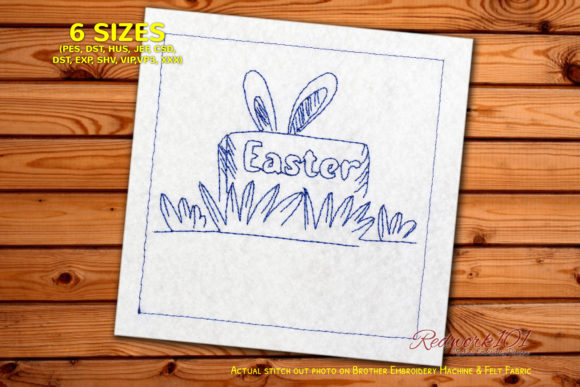
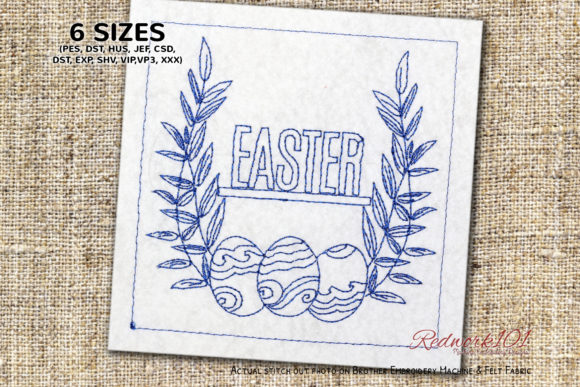
The title itself suggests a blend of tradition and simplicity. Redwork is a classic style, historically rooted in single-color stitching that emphasizes outline and form over shading. When I visualize Happy Easter with Decorative Egg Redwork, I see a design that leans towards the rustic, handmade, and elegant side of the spectrum. It does not scream for attention with neon gradients or complex fills. Instead, it offers a friendly, decorative appeal that feels authentic.
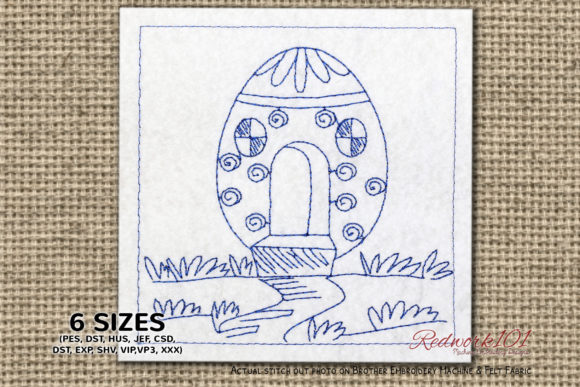
For a brand identity focused on organic products, artisanal goods, or community-focused services, this aesthetic is invaluable. The description notes "Decorative Egg and Plants," which implies a natural motif. This combination of flora and fauna elements creates a soft, welcoming vibe. It is not overly corporate, making it perfect for businesses that want to appear approachable and warm. However, because redwork relies heavily on line work, the professionalism of the final finished product depends entirely on the precision of the digitizing. Clean lines and consistent spacing are non-negotiable for a premium look.
Real-World Applications for Small Businesses
Where does this design actually shine in a commercial setting? I have tested similar redwork styles on various substrates, and the versatility is impressive if managed correctly. Here is how I would deploy this digital embroidery file across different product lines:
- Apron Embroidery: For bakeries and florists, placing this design on the chest or pocket of a canvas apron adds a touch of seasonal charm without overwhelming the uniform. The single-color nature of redwork keeps production costs low while maintaining a custom look.
- Tote Bag Design: Canvas totes are a staple for retail shops. A centered, medium-sized placement of the decorative egg and plants serves as an excellent branded giveaway or premium packaging add-on. The sturdy fabric supports the stitch structure well.
- Embroidered Patch: Creating iron-on or sew-on patches allows customers to buy a piece of your brand. This design works well as a standalone patch because the optional box stitch mentioned in the description can frame the artwork, giving it a badge-like quality.
- Cap Embroidery: While possible, this requires caution. The curved surface of a cap can distort detailed plant outlines. If used here, it should be simplified or placed on the side panel rather than the front center to avoid puckering.
Using this design for custom apparel like staff t-shirts or polo shirts can unify your team during the spring season. It signals to customers that your business is active, engaged, and celebrating the holiday, which boosts customer trust and engagement.
Technical Considerations and Production Notes
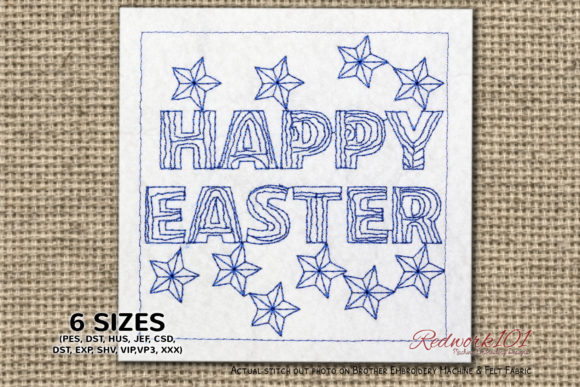
Before you load this embroidery file into your machine, there are critical technical factors to address. The product description states: "The Box Stitch shown in the picture is optional. The color of the outer box is a different color in most of the designs unless it is part of the design itself." This is a crucial detail for your workflow.
If you choose to include the box stitch, you must account for an additional thread color change. This increases production time and complexity. For high-volume orders, such as fifty tote bags for a local market, skipping the box might be more efficient. However, the box provides a clean border that can hide minor alignment issues, so weigh efficiency against aesthetic perfection.
Another major factor is stitch density. Redwork designs typically have lower density than fill-stitch designs, which is great for preventing fabric stiffness. However, long running stitches can be prone to snagging if not properly stabilized. I always recommend testing the design on the actual fabric texture you intend to use. A lightweight linen behaves very differently from a heavy denim or a textured towel.
Use a appropriate stabilizer to support the fabric. For stretchy materials like jersey tees, a cut-away stabilizer is essential to prevent distortion. For woven fabrics like canvas or twill, a tear-away may suffice, but test first. Always check the hoop size requirements. If the design is large, ensure your machine can accommodate the necessary hoop without re-hooping, which risks misalignment.
Brand Identity and Commercial Value
Integrating Happy Easter with Decorative Egg Redwork into your product line is not just about decoration; it is a strategic move for brand identity. Consistent use of high-quality embroidery signals professionalism. When a customer receives a tote bag or wears an apron with crisp, clean stitching, they perceive higher value in your brand.
This design can serve as a key element in your design assets library. Use it to create printable mockup images for your online store before you even stitch a single thread. Showing customers how the design looks on a real product helps them visualize the purchase, increasing conversion rates. It also works beautifully for limited-edition items, creating urgency and exclusivity.
However, be mindful of where the design might fail. Avoid using it on items that require frequent, harsh industrial washing unless you have tested its durability extensively. Also, be cautious with tiny lettering if the "Happy Easter" text is intricate. Small details can get lost or merge together if the thread tension is not perfect. If the text is too small for the intended embroidered patch size, consider removing the text and using only the decorative egg and plants for a cleaner, more iconic logo mark.
Final Designer Recommendations
To ensure success with this commercial embroidery project, follow these steps:
- Test in Black and White: Before committing to expensive thread colors, stitch the design in black thread on white fabric. This reveals any gaps, overlaps, or digitizing errors without the distraction of color.
- Check Thread Color Contrast: Since redwork traditionally uses one color, ensure your chosen thread contrasts sharply with the fabric. A dark red on navy blue may vanish, whereas a bright red on cream pops.
- Verify Licensing: The description does not explicitly state license terms. Always confirm with the seller that you have the right to use this digital embroidery file for physical goods you intend to sell. Never assume commercial rights are included.
- Create Client Mockups: If you are doing this for a client, present a digital mockup alongside a physical sample. This manages expectations and ensures approval before full production runs.
In conclusion, Happy Easter with Decorative Egg Redwork is a versatile, charming addition to any spring-themed collection. It bridges the gap between traditional craft and modern branding. By paying attention to stabilizer choice, hoop size, and placement, you can transform this simple design into a powerful tool for enhancing your handmade product offerings. It is not just an Easter decoration; it is a business asset that, when executed with precision, builds recognition and loyalty among your customers.