Review: Single Red Rose with Leaf Redwork for Business
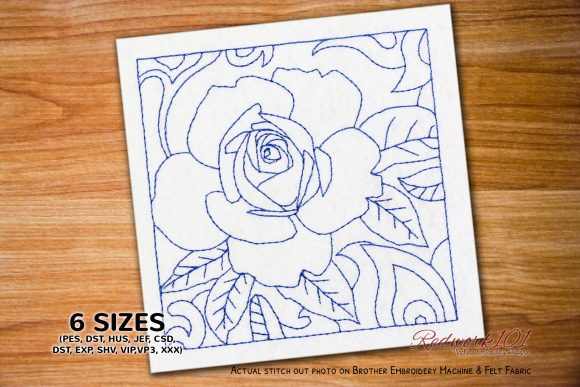
As an embroidery designer who has spent years digitizing and testing files for commercial use, I approach every new machine embroidery design with a critical eye. It is not just about whether the image looks pretty on a screen; it is about how that design performs under the needle when applied to real-world merchandise. Recently, I evaluated the Single Red Rose with Leaf Redwork, a piece from the Single Flowers category, to determine its viability for small business owners, boutique brands, and apparel decorators.
This review focuses on the practical application of this design. If you run a café, a florist shop, a handmade Etsy store, or a local creative studio, you need assets that translate well into physical products. Here is my professional assessment of how this redwork rose holds up in a commercial environment.
First Impressions: Visual Personality and Brand Fit
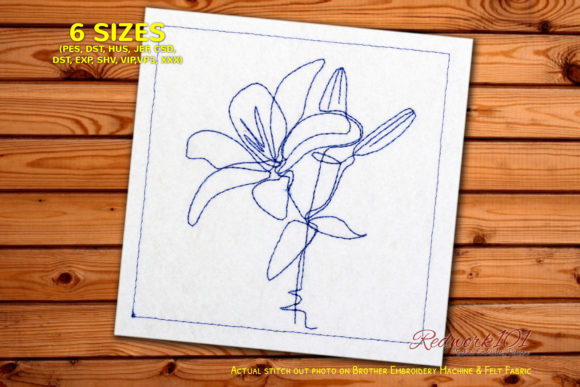
The first thing that strikes me about the Single Red Rose with Leaf Redwork is its timeless elegance. Redwork is a classic technique, traditionally using a single color thread on a light background. This specific design captures that heritage while feeling fresh enough for modern branding. It does not scream "loud" or "aggressive." Instead, it feels rustic, handmade, and premium.
For brand identity, this matters immensely. A bold, complex logo might work for a tech startup, but for a bakery, a bridal boutique, or a pet brand focusing on natural care, simplicity builds trust. This design offers a friendly yet professional aesthetic. It suggests attention to detail without overwhelming the viewer. When I look at this file, I see a design that can elevate a plain tote bag or a simple apron into a branded asset that customers want to keep.
Real-World Applications for Small Business Merch
The true test of any digital embroidery file is its versatility. I evaluated how this rose performs across various common merchandise items used by small businesses.
- Embroidered Patches: This is perhaps the strongest use case. The clean lines of the rose make it ideal for cut-edge or merrowed edge patches. It serves as a beautiful accent for denim jackets, canvas bags, or even laptop sleeves.
- Apron Embroidery: For florists, bakers, and baristas, a chest-pocket placement of this rose adds a touch of sophistication to staff uniforms. It is subtle enough to look professional but distinct enough to reinforce brand recognition.
- Cap Embroidery: Placing a single flower on the side panel or above the brim of a dad hat creates a trendy, understated look. However, curvature is a challenge, which I will address in the technical notes below.
- Tote Bag Design: Canvas totes are a staple for retail shops. This design scales beautifully for a central placement on a tote, offering a high perceived value for a relatively low production cost.
- Product Packaging Accents: Imagine a small tag attached to a handmade soap or candle, featuring this embroidered rose. It transforms a simple label into a memorable finished product that encourages social media sharing.
Technical Considerations and Stitch Density
While the visual appeal is strong, we must discuss the mechanics. Redwork designs typically rely on outline stitches rather than dense satin fills. This has significant implications for stitch density and fabric compatibility.
Because the description notes that the outer box shown in pictures is optional and often a different color, you have flexibility. You can skip the box entirely for a cleaner look. This is crucial for maintaining a minimalist brand identity. However, you must be cautious with scale. If you shrink this design too much for a tiny pocket logo, the leaf details may become indistinct. The spacing between the stem, leaf, and bloom needs to remain clear to prevent thread breaks or puckering.
I recommend testing this design in black and white first. Why? Because if the contrast between your thread and fabric is poor, the delicate lines of redwork can disappear. On dark uniforms, this design might require a white underlay or a switch to a lighter thread color to ensure visibility. Always check your thread colors against your base fabric before running a full production batch.
Challenges on Curved and Textured Surfaces
Not all fabrics behave the same way. When applying this embroidery file to textured materials like terry cloth towels or heavy denim, the fine lines of the leaf might get lost in the weave. In these cases, increasing the stitch width slightly or choosing a thicker thread weight can help the design pop.
Curved surfaces, such as the front of a cap, present another hurdle. The rose must be centered perfectly, or it will look distorted when worn. I advise creating a printable mockup to visualize the placement before hooping. Additionally, always use the appropriate stabilizer. For stretchy fabrics like jersey tees, a cut-away stabilizer is non-negotiable to prevent the design from warping after washing.
Enhancing Brand Identity and Customer Trust
Why go through the trouble of embroidering instead of printing? The answer lies in perceived value. An embroidered patch or logo signals quality. It tells the customer that your brand invests in durability and craftsmanship. When a customer receives a tote bag with the Single Red Rose with Leaf Redwork stitched onto it, they feel they are receiving a premium item, not just a promotional giveaway.
This consistency across your design assets—from your website graphics to your physical merchandise—builds a cohesive brand story. Whether you are selling at a local craft fair or shipping orders globally, this visual consistency reinforces professionalism. It makes your handmade product stand out in a crowded market.
Practical Designer Notes for Production
Before you purchase and produce, here is my checklist for using this design effectively:
- Verify File Details: The product description mentions the box is optional. Ensure you know how to toggle this in your software. Also, confirm the exact hoop size requirements, as these are not explicitly stated in the brief description.
- Check Licensing: Always confirm commercial licensing terms. As a small business owner, you need to ensure you have the right to sell items made with this commercial embroidery file.
- Test on Real Fabric: Do not rely solely on digital simulations. Stitch out a sample on the actual material you plan to use. Check for puckering, thread breaks, and color accuracy.
- Compare Beside Other Assets: Place the stitched sample next to your printed business cards or logos. Does the red match? Is the style consistent? Adjust thread shades if necessary to maintain visual harmony.
- Consider Washability: If this is going on staff uniforms or frequently washed tote bags, ensure the stitch density is sufficient to withstand laundering without unraveling.
In conclusion, the Single Red Rose with Leaf Redwork is a versatile and elegant choice for small business merchandise. It bridges the gap between traditional craftsmanship and modern branding. By paying attention to fabric choice, stabilizer use, and placement, you can turn this simple floral motif into a powerful tool for customer engagement and brand loyalty. It is a solid addition to any embroidery designer’s library for creating high-quality, custom apparel and accessories.