Summer Redwork: A Designer’s Review for Beach Apparel
When I first pulled up the Summer Redwork file on my screen, my immediate reaction was one of relief. In a market saturated with overly complex, dense fills that eat up thread and time, this design offers a breath of fresh air. It captures the essence of warm weather without screaming for attention. As an experienced designer who has stitched thousands of patterns for clients ranging from boutique owners to hobbyists, I look for designs that balance aesthetic appeal with technical reliability. This piece fits that bill, particularly for those looking to create high-quality summer apparel and accessories.
First Impressions and Visual Personality
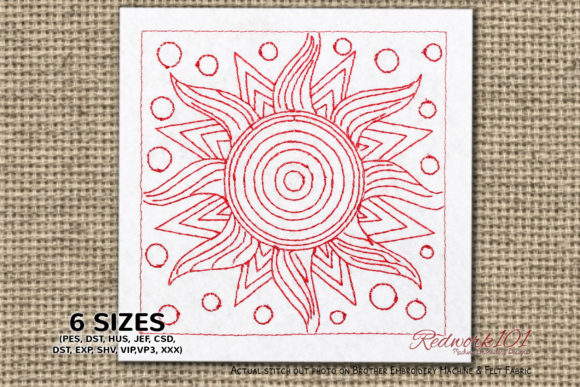
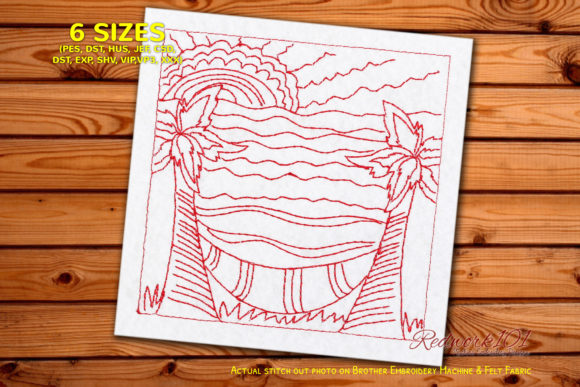
The mood of Summer Redwork is undeniably breezy and nostalgic. Redwork, historically rooted in simple, single-color stitching, translates beautifully into modern digital formats when done right. This design respects that heritage while feeling contemporary. The layout is open, allowing the fabric texture to play a significant role in the final look. Unlike heavy satin stitch blocks that can pucker lightweight materials, the line work here feels intentional and light.
Visually, the design relies on clean lines and balanced negative space. For embroidery designers, this is crucial. It means the design will scale reasonably well without losing its identity. The theme is clearly tied to beach outings and leisure, making it a natural fit for seasonal collections. When I imagine this stitched out, I see it working best on natural fibers like cotton or linen, where the contrast between the thread and the fabric creates a crisp, handmade product feel.
Real-World Application: The Tote Bag Test
To truly evaluate a machine embroidery design, you have to move beyond the screen. I recently worked on a custom order for a local craft fair vendor who needed a cohesive line of tote bag designs. We chose Summer Redwork for a canvas tote project. The result was impressive. Because the design does not rely on dense fill stitch areas, it did not distort the flexible canvas material. The running stitch elements provided enough coverage to be visible from a distance but remained light enough to keep the bag functional.
This scenario highlights why this design is valuable for small shop products. Customers at craft fairs often touch the merchandise. A stiff, heavily stitched patch can feel cheap or uncomfortable. In contrast, this embroidery feels integrated into the fabric. It enhances the perceived value of the handmade product without adding bulk. For an Etsy seller, this translates to better reviews and repeat customers who appreciate the quality of the finish.
Versatility Across Product Lines
Beyond tote bags, the versatility of this design is one of its strongest assets. Here is how it performs across different categories:
- Custom Apparel: It works exceptionally well on sweatshirt embroidery projects where you want a subtle chest logo rather than a massive back print. The simplicity ensures it doesn't look cluttered on thicker fabrics.
- Baby Items: For baby embroidery, safety and comfort are paramount. Since this design avoids excessive density, it remains soft against sensitive skin, making it ideal for onesies or burp cloths.
- Kitchen Linens: Tea towels and aprons benefit from the washability of simpler stitch types. The design holds up well after multiple laundering cycles, provided the correct stabilizer is used.
- Holiday Embroidery: While themed for summer, the classic redwork style can be adapted for other seasons by changing thread colors, offering flexibility for year-round sales.
Technical Considerations for Stitching Success
While Summer Redwork is user-friendly, it is not without its technical nuances. As a reviewer, I must point out where caution is needed. The design includes fine details that require precision. If you are using an older embroidery machine or working with low-quality thread, breakage could be an issue in the tighter turns. Always use a high-quality polyester or rayon thread to ensure smooth stitching.
Fabric choice is critical. On thin or stretchy fabric, such as jersey knits for t-shirts, you must use a cut-away stabilizer to prevent distortion. The open nature of the design means there is less internal support from the stitches themselves, so the stabilizer does the heavy lifting. For woven fabrics like cotton or denim, a tear-away stabilizer is usually sufficient, but always test on scrap fabric first.
Another consideration is the hoop size. Ensure your hoop is large enough to accommodate the design with adequate margin for clamping. Attempting to squeeze a design too close to the edge of the hoop can lead to misalignment or hoop burns, which ruin the professional look of the finished product.
Color and Contrast Strategy
The description notes that the outer box color varies, which suggests flexibility in customization. For maximum impact, high contrast is key. Traditional redwork uses red thread on white fabric, but don’t be afraid to experiment. Navy thread on heather gray sweatshirts or forest green on cream linen can elevate the design from generic to bespoke. Avoid low-contrast combinations, such as pastel thread on white fabric, as the intricate details will get lost.
For digital product sellers creating printable mockups, remember that screen colors differ from thread colors. Always stitch a physical sample to verify the visual appeal before listing it as a digital embroidery file or selling the finished item. This builds trust with your buyers and ensures brand consistency.
Commercial Viability and Branding
For commercial embroidery projects, speed and efficiency matter. This design stitches out relatively quickly compared to complex applique design options, allowing for higher production volume. This is a significant advantage for small business owners managing tight deadlines.
Moreover, the clean aesthetic supports strong branding. It looks professional on embroidered patches or caps, where clarity is essential. A messy, dense design can look amateurish on small surfaces like hats. Summer Redwork maintains its integrity even at smaller scales, making it a reliable choice for branded merchandise.
Final Verdict
In conclusion, Summer Redwork is a solid addition to any designer’s library. It bridges the gap between traditional charm and modern practicality. It is not just a pretty picture; it is a functional asset for creating durable, attractive handmade products. Whether you are an Etsy seller looking to expand your summer collection or a hobbyist making personalized gifts for friends, this design delivers consistent results.
Before you begin your next embroidery project, remember to check the specific file formats compatible with your machine and confirm licensing terms if you plan to sell the finished goods. With proper preparation and attention to detail, this design will help you create pieces that customers love and trust. It is a testament to the idea that sometimes, less is indeed more.