Review: Squirrel in Forest Redwork for Boutique Sweatshirts
As an embroidery designer who has spent years refining digitizing techniques for small clothing brands, I approach every new machine embroidery design with a critical eye. It is not just about whether the file runs smoothly on the machine; it is about how that design translates into a tangible, sellable product. Recently, I had the opportunity to test the Squirrel in Forest Redwork for a limited-edition sweatshirt drop for a local boutique brand. The goal was simple: create a cozy, rustic aesthetic that appeals to nature lovers without looking cheap or overly juvenile. Here is my professional breakdown of how this design performs in a real-world commercial setting.
First Impressions and Aesthetic Mood
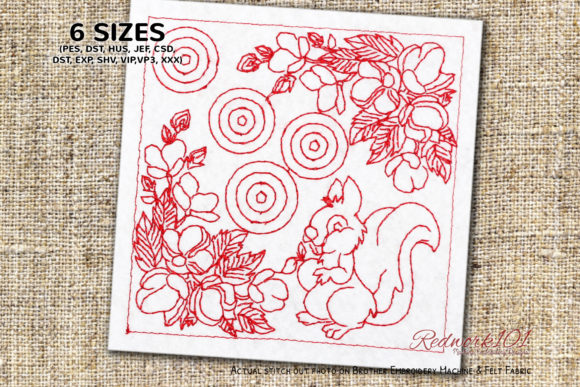
The moment I loaded the digital embroidery file, the simplicity of the redwork style stood out. Redwork traditionally relies on a single color thread, creating a striking contrast against the fabric. For this specific project, the Squirrel in Forest Redwork captures a whimsical yet grounded mood. It feels less like a cartoon and more like a classic folk art illustration. This distinction is crucial for boutique brands aiming for a premium feel. The design sits comfortably in the "rustic" and "playful" categories, making it versatile for various demographics, from young adults seeking cozy vibes to older customers who appreciate traditional needlework aesthetics.
Because the design falls under the Woodland Animals category, it naturally evokes feelings of autumn, hiking, and cabin life. However, the execution determines whether it feels like a generic souvenir or a high-end handmade product. In my review, the line work appeared clean and intentional. The squirrel’s posture suggests movement, adding life to the static image. For an Etsy seller or small shop owner, this visual storytelling is what drives customer engagement. It is not just a squirrel; it is a narrative of forest tranquility stitched onto fabric.
Fabric Compatibility and Color Contrast
One of the most significant advantages of redwork is its adaptability. During my testing phase, I ran the Squirrel in Forest Redwork on several different fabric bases to gauge versatility. On neutral sweatshirts, such as heather grey or oatmeal, the design popped beautifully when stitched in a deep burgundy or classic red. The contrast was sharp, ensuring the details remained visible even from a distance.
When moving to dark fabrics like navy or charcoal, I switched to a lighter thread color, such as cream or soft gold, to maintain visibility. This flexibility is a huge plus for custom apparel businesses that offer multiple colorways. However, on pastel colors, caution is needed. If the thread color is too similar to the fabric, the intricate lines of the squirrel may get lost. I recommend always creating a printable mockup or stitching a test sample on the exact fabric stock you intend to use. The fabric texture of a heavy fleece sweatshirt can sometimes swallow fine details, so choosing the right thread weight is essential.
Technical Considerations for Commercial Use
For those planning to use this for commercial embroidery, there are practical technicalities to address. While the product description notes that "The Stitch Box shown in the picture is optional," it is vital to understand how this affects your hoop placement. If you choose to include the box, ensure your hoop size can accommodate it without distorting the garment. For sweatshirt embroidery, I typically recommend a 5x7 or larger hoop to allow for proper stabilization and ease of hooping thick materials.
Stitch density is another critical factor. Redwork designs generally have lower density than fill-stitch designs, which is beneficial for bulky items like hoodies. High-density stitches can cause puckering on thick fleece, but the open nature of redwork minimizes this risk. That said, you must still use an appropriate stabilizer. A cut-away stabilizer is usually best for sweatshirts to provide long-term support and prevent the design from shifting during wear and washing.
Regarding durability, the single-color nature of the design means there are fewer thread breaks to worry about compared to multi-color logos. This makes the Squirrel in Forest Redwork a robust choice for items that will be washed frequently. However, always check the specific file details provided by the creator. Since the description mentions that "the color of the outer Box is a different color in most of the designs unless it is part of the design itself," you must verify if the box is a separate element in the embroidery file. This affects how you sequence your stitching and whether you need to trim jumps manually.
Placement Strategies for Boutique Apparel
Where you place the design changes its perceived value. For a boutique brand, less is often more. I found that placing the Squirrel in Forest Redwork on the left chest area of an oversized hoodie created a sophisticated, minimalist look. This placement is ideal for everyday wear and appeals to customers who want subtle branding.
Alternatively, using the design as a sleeve accent adds a unique touch that differentiates your small shop product from mass-market alternatives. For a bolder statement, centering the squirrel on the back of a crewneck sweatshirt works well, especially if paired with simple text above or below. When photographing these items for Etsy listings, close-up shots of the stitch quality on the sleeve or chest can highlight the craftsmanship, building buyer trust.
Enhancing Brand Identity and Value
Incorporating themed designs like this helps solidify your brand identity. If your shop specializes in nature-inspired goods, the Squirrel in Forest Redwork reinforces that niche. It signals to customers that you curate design assets with care. The perceived value of a garment increases when the embroidery looks precise and intentional. A clean, well-digitized redwork design suggests attention to detail, which translates to higher price points and better customer retention.
Furthermore, this design serves as excellent marketing material. Lifestyle product photography featuring the sweatshirt in a forest setting or a cozy coffee shop context can drive social media engagement. The rustic charm of the squirrel resonates with current trends favoring slow fashion and handmade authenticity. By offering this as part of a seasonal collection, you create urgency and exclusivity, key drivers for independent creators.
Final Verdict for Designers and Sellers
The Squirrel in Forest Redwork is a strong contender for any apparel decorator or crafter looking to expand their woodland-themed offerings. It balances cuteness with sophistication, making it suitable for a wide age range. Its technical simplicity reduces production time and risk, while its visual appeal enhances the final product.
Before starting full production, remember to verify the exact stitch count and recommended hoop size from the file provider, as these details were not explicitly defined in the brief description. Test your tension and stabilizer combination on your specific fabric blend. With proper preparation, this design can become a staple in your finished product lineup, helping your brand stand out in the crowded market of custom embroidery. Whether you are digitizing your own files or purchasing ready-made ones, always prioritize quality control to ensure every stitch reflects the premium nature of your boutique.