Chips and Salsa: A Designer’s Review for Boutique Sweatshirts
As an embroidery designer who has spent years digitizing patterns for small clothing brands and boutique labels, I am always on the lookout for designs that bridge the gap between novelty and premium quality. Recently, I had the opportunity to review Chips and Salsa, a machine embroidery design categorized under Food and Embroidery. While the product description highlights its excellence for kitchen textiles like towels, aprons, pot holders, and oven mitts, my focus was strictly on its potential for apparel. Specifically, I wanted to determine if this lovely embroidery could elevate a limited-edition sweatshirt collection for a modern online shop.
First Impressions: Mood and Stitching Personality
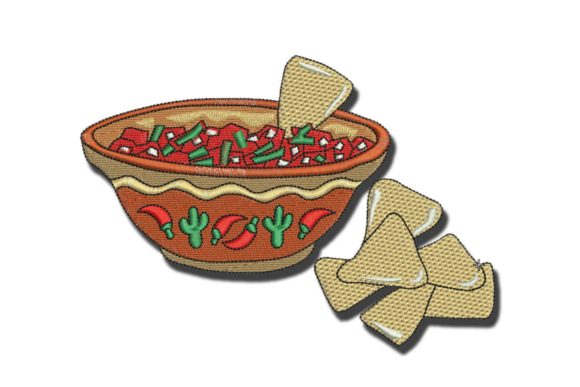
The first thing that strikes you about Chips and Salsa is its inherent playfulness. In the world of custom apparel, food-themed graphics have surged in popularity, moving from childish motifs to trendy, lifestyle-oriented statements. This design captures that shift perfectly. It feels casual yet decorative, with a vibe that is both rustic and bold. The layout suggests a celebration of comfort food, which translates beautifully into the "cozy" aesthetic that dominates current fashion trends.
From a technical standpoint, the stitching personality appears robust. For a design intended originally for dish clothes and kitchen linens, one might expect simpler, flatter stitches. However, when viewed through the lens of apparel application, the detail level seems sufficient to hold its own on thicker fabrics. The design does not feel overly minimal; instead, it offers enough visual weight to serve as a focal point without overwhelming the garment. It strikes a balance that is cute enough for gift items but strong enough for commercial embroidery use by serious Etsy sellers.
Adapting Kitchen Classics to Premium Sweatshirts
The core challenge in this review was translating a design marketed for home goods into a fashion statement. Here is how Chips and Salsa performs across different apparel scenarios:
- Neutral Sweatshirts: On heather gray or oatmeal-colored blanks, the warm tones typically associated with salsa and chips pop beautifully. The contrast creates a sophisticated, earthy look that appeals to buyers seeking understated style.
- Dark Fabric: When stitched on black or navy hoodies, the design requires careful thread color selection. Bright reds and golden yellows must be vibrant enough to stand out against the dark background. If the stitch density is high, it provides excellent coverage, making the image crisp and readable.
- Pastel Colors: For a spring drop, placing this design on pastel pink or mint green oversized hoodies creates a fun, feminine contrast. It softens the boldness of the food imagery, making it feel more like a playful accessory than a loud statement.
- Oversized Hoodies: The scale of Chips and Salsa seems well-suited for the chest placement of an oversized fit. It anchors the garment visually, providing a center of interest that balances the loose silhouette.
Technical Considerations for the Professional Embroiderer
For small shop owners and handmade business owners, the aesthetic is only half the battle. The practicality of production is paramount. When preparing Chips and Salsa for a real boutique project, several technical factors must be addressed to ensure a premium finished product.
Fabric Texture and Stabilizer Choice
Sweatshirts and hoodies are made from knit fabrics, often with a brushed interior. This texture can swallow up fine details if not handled correctly. Since this design was noted to look great on any fabric, it likely has versatile stitch paths. However, for apparel, I strongly recommend using a cut-away stabilizer rather than tear-away. This ensures that the embroidery remains stable after repeated washing and wearing, preventing puckering around the edges of the chips and salsa bowl.
Thread Color Contrast
The success of this design hinges on thread colors. To achieve a high-end look, avoid standard primary colors. Instead, opt for variegated threads for the salsa to create depth and realism, and matte cotton-like threads for the chips to mimic texture. This attention to detail transforms a simple digital embroidery file into a piece of art that enhances brand identity.
Stitch Density and Wash Durability
Commercial embroidery requires durability. If the stitch density is too low, the design may look sparse on thick fleece. If it is too high, it can cause the fabric to stiffen. Based on its suitability for oven mitts and pot holders, the design likely has a moderate-to-high density, which is actually beneficial for sweatshirts. It ensures the design survives the wash cycle without losing its shape, a critical factor for customer trust and buyer satisfaction.
Hoop Size and Placement
Before starting production, always check the specific hoop size requirements of the digital embroidery file. For a chest logo, a 4x4 or 5x7 hoop is usually ideal. Ensure the design fits within your machine’s maximum area without resizing it to the point of distortion. Small-size readability is crucial; if the text or small details in the salsa jar become illegible when scaled down, consider using it only for larger back prints or sleeve accents.
Boosting Brand Value and Customer Engagement
Integrating Chips and Salsa into your product line can significantly impact your boutique brand’s visual recognition. Food-themed apparel resonates emotionally with customers, evoking feelings of comfort, gathering, and joy. This emotional connection drives customer engagement and can lead to higher conversion rates on platforms like Etsy.
When creating printable mockup previews for your online listings, showcase the design in lifestyle settings. Imagine a model holding an actual bowl of chips while wearing the sweatshirt. This contextual photography helps buyers visualize the handmade product in their own lives, increasing perceived value. It moves the item from being just another shirt to a curated lifestyle accessory.
Furthermore, using a cohesive theme across your design assets strengthens your brand identity. If your shop specializes in cozy, fun, or rustic aesthetics, this embroidery file aligns perfectly with that narrative. It signals to your audience that you understand current trends and care about quality presentation.
Final Verdict for Small Business Owners
Is Chips and Salsa ready for your next sweatshirt drop? Absolutely. While it is marketed for kitchen textiles, its versatility allows it to shine in the apparel sector. It offers the right mix of playful charm and technical solidity required for commercial success.
Remember, before running your first test stitch, verify the exact stitch count, file format compatibility with your machine, and license terms provided with the download. These details are essential for smooth production. Once confirmed, this design can serve as a cornerstone for a collection that stands out in a crowded market. By focusing on high-quality thread choices, proper stabilization, and strategic marketing, you can turn this lovely embroidery into a best-selling item that enhances your reputation as a top-tier creator in the handmade community.
For those looking to expand their catalog beyond traditional apparel, do not forget its roots. Using the same design on matching tote bags or kitchen towels creates a perfect gift set opportunity, further maximizing the value of your design assets. Whether for a hoodie design or a home decor item, Chips and Salsa proves that good design transcends categories, offering endless possibilities for the creative entrepreneur.