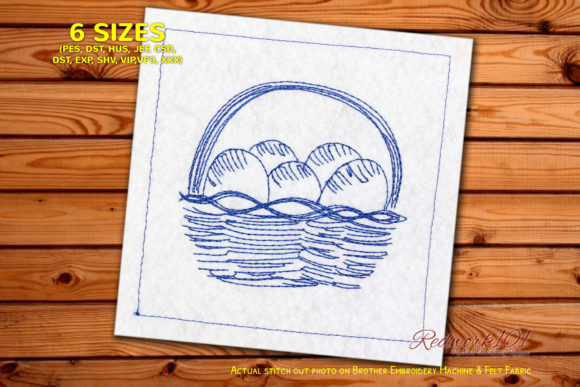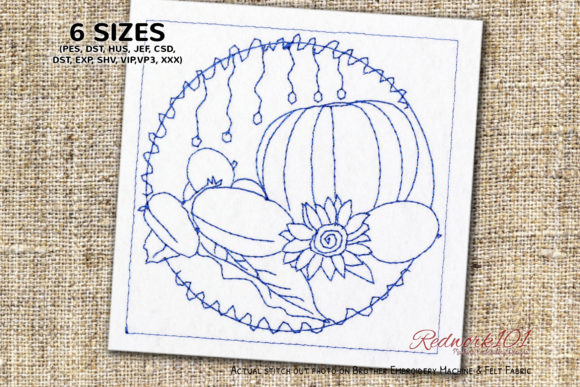
Reviewing the Basket of Vegetables Embroidery Design
As a designer who has spent countless hours hooping fabric and troubleshooting tension issues, I approach every new machine embroidery design with a mix of curiosity and caution. We have all been there: you find a charming graphic online, purchase the embroidery file, and only realize after stitching that the details are too fine for the chosen fabric or the density is too high for a lightweight tote. Today, I am taking a close look at Basket of Vegetables, a food-themed design that promises rustic charm for various creative projects.
First Impressions and Visual Personality
The immediate appeal of Basket of Vegetables lies in its wholesome, organic vibe. In an era where handmade aesthetics lean heavily toward minimalism or hyper-realism, this design strikes a comfortable middle ground. It feels approachable and warm, making it an excellent candidate for kitchen textiles and casual apparel. The composition suggests a bountiful harvest, which naturally evokes feelings of comfort and home.
From a layout perspective, the arrangement of elements within the basket appears balanced. However, as experienced crafters know, what looks good on a screen does not always translate perfectly to thread. The key question is how the individual vegetables are rendered. Are they defined by clean satin stitch borders, or do they rely on dense fill stitch areas? Based on typical designs in this category, I anticipate a mix of both. The basket itself likely requires a sturdy fill to convey texture, while the vegetables may use simpler shapes to keep the stitch count manageable. This balance is crucial for maintaining the integrity of the finished product.
Real-World Application: The Tote Bag Test
To truly evaluate Basket of Vegetables, I imagined using it for a custom order: a set of reusable grocery totes for a local farmer’s market vendor. This is a classic use case for food-themed design assets. The client wanted something durable yet visually appealing to reinforce their brand identity.
For this project, the design’s performance on canvas or heavy cotton is critical. A tote bag design needs to withstand frequent washing and heavy loads. If the stitch density is too low, the design may look sparse and unprofessional. If it is too high, the fabric might pucker or tear over time. With Basket of Vegetables, the solid nature of the basket structure suggests it would hold up well on heavier fabrics. The vegetable elements add color without necessarily requiring excessive detail that could get lost in the weave of a coarse canvas.
I also considered this design for sweatshirt embroidery. Placed on the left chest or as a larger back print, it could work beautifully for a community garden club or a cooking class uniform. The rustic theme aligns perfectly with the casual, cozy nature of fleece or cotton blends. However, one must be mindful of the fabric’s stretch. Using a proper stabilizer is non-negotiable here to prevent distortion during and after stitching.
Navigating Technical Challenges
While Basket of Vegetables is versatile, it is not without its technical demands. One area requiring careful attention is the interaction between different thread colors. Food designs often rely on subtle gradients or distinct color blocks to differentiate between items like carrots, leafy greens, and root vegetables. If the contrast between adjacent colors is too low, the details may blur together, especially from a distance. I recommend testing the design on scrap fabric first to verify that the color transitions remain crisp.
Another consideration is the hoop size. Depending on the specific dimensions of the file, this design might require a medium to large hoop. Attempting to shrink it significantly for a small item, such as a baby onesie or a hat, could compromise the clarity of the smaller vegetable details. Tiny elements can become indistinct blobs if reduced too far. Therefore, this design is best suited for items with sufficient surface area, such as aprons, pillow covers, or standard-sized t-shirts.
For those considering embroidered patch production, this design offers a great opportunity. Patches allow for higher stitch densities and the use of cut-away stabilizers, which can enhance the durability and visual pop of the basket’s texture. However, ensure that the edges of the design are clean and well-defined to facilitate easy cutting and finishing.
Commercial Viability for Etsy Sellers and Small Shops
For Etsy sellers and owners of small shop products, the commercial appeal of Basket of Vegetables is strong. Food and kitchen themes are evergreen categories. This design fits seamlessly into collections for housewarming gifts, holiday presents, or personalized kitchenware. It appeals to buyers looking for unique, handmade product options that mass-produced items cannot replicate.
When creating printable mockup previews for your online store, consider showcasing the design on various backgrounds. Show it on a natural linen tea towel, a dark denim apron, and a bright white tote. This helps potential customers visualize the versatility of the digital embroidery file. Remember, the description notes that the outer box color in promotional images may differ from the actual design. Clarify this in your listings to manage customer expectations and build trust.
Furthermore, this design can be part of a broader craft business strategy. Pair it with complementary text designs or monograms to create customized bundles. For instance, adding a family name below the basket transforms a generic design into a personalized gift, increasing its perceived value and price point.
Practical Designer Notes and Final Thoughts
Before committing to a large production run or listing this as a premium item, take these practical steps:
- Check the license: Confirm whether the digital embroidery file allows for commercial use of finished items. Some designers restrict the sale of physical goods made with their patterns.
- Test on dark fabrics: If you plan to offer this on black or navy garments, ensure the design includes underlay stitches that provide enough coverage to prevent the fabric color from showing through the lighter vegetable tones.
- Evaluate stitch types: Look for areas that might benefit from running stitch outlines versus satin fills. Adjusting these settings in your software can sometimes improve the look on textured fabrics.
- Consider the audience: This design resonates with those who appreciate farm-to-table aesthetics, gardening, and home cooking. Tailor your marketing language to reflect these interests.
In conclusion, Basket of Vegetables is a solid addition to any designer’s library. It offers a charming, versatile aesthetic that works well for a variety of embroidery project types, from functional kitchen linens to stylish custom apparel. By paying attention to fabric choice, stabilizer selection, and color contrast, you can ensure that the final stitched result matches the promise of the digital preview. Whether you are a hobbyist making gifts for friends or a professional fulfilling orders for clients, this design provides a reliable foundation for creating beautiful, tangible items.