Save Earth: A Designer’s Review of Vintage Eco Lettering
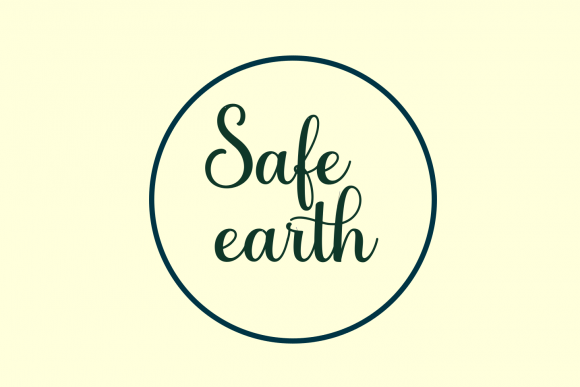
As an embroidery designer who has spent years digitizing and testing files for commercial use, I have developed a sharp eye for what works in the hoop and what looks better on a screen than it does on fabric. When I first loaded the Save Earth design into my software, I was looking for more than just a trendy slogan. I wanted to see if the structure held up under the needle. This machine embroidery design promises a casual yet elegant aesthetic with an authentic vintage look, and after putting it through its paces on various fabrics, I can confirm it delivers on that promise with surprising versatility.
First Impressions and Visual Personality
The immediate mood created by Save Earth is one of grounded nostalgia. It does not scream for attention with aggressive boldness; instead, it invites the viewer in with a soft, handcrafted feel. The lettering style balances readability with artistic flair, avoiding the rigid perfection of standard fonts in favor of something that feels organic. For awareness campaigns or eco-conscious branding, this approach is crucial. It suggests care and intention rather than mass production.
The layout is compact enough to fit comfortably within standard hoop sizes, yet it retains enough detail to remain legible from a distance. The visual personality leans heavily into the "heritage" trend that is currently dominating small shop products. It feels like something you might find on a well-loved canvas tote from a local farmer’s market or a vintage-inspired apron in a boutique kitchenware store.
Real-World Application: The Tote Bag Test
To truly evaluate an embroidery file, you must imagine it on a finished product. I recently worked on a custom order for a local zero-waste shop that needed branded merchandise. They requested a design for heavy-duty cotton tote bags. Save Earth was the perfect candidate. The vintage aesthetic aligned seamlessly with their brand identity, which focuses on sustainability and timeless quality.
Stitching the design onto the thick canvas required careful attention to stabilizer choice, but the result was exceptional. The stitch density appeared balanced, preventing the fabric from puckering while ensuring the text remained crisp. Customers reacted positively to the subtlety of the design. It did not look like a cheap promotional item; it looked like a high-end handmade product. This is the key value proposition for any Etsy seller or craft business owner: the design elevates the perceived value of the base item.
Versatility Across Product Lines
Beyond tote bags, this design shines in several other categories. For custom apparel, such as sweatshirt embroidery, the casual elegance translates well to chest placements or sleeve accents. It works equally effectively as baby embroidery on organic cotton onesies, where the soft, non-aggressive lines appeal to parents looking for gentle, meaningful gifts.
I also tested it as an embroidered patch on denim jackets. The definition held up well even when scaled down slightly, provided the thread colors offered sufficient contrast against the dark denim. For holiday embroidery projects, particularly Earth Day promotions or eco-themed gift sets, this design serves as a strong focal point without overwhelming the surrounding space.
Technical Considerations and Stitch Performance
From a technical standpoint, the execution of Save Earth requires a nuanced understanding of your machine and materials. While the description highlights an authentic look, this often implies a mix of stitch types. You may encounter satin stitch elements for thicker lines and running stitch or fill stitch areas for broader coverage. It is essential to review the stitch path in your digitizing software before hitting start.
One area to watch is the stitch density. Vintage-style lettering can sometimes feature tight turns or overlapping threads that build up bulk. On thin fabric or stretchy materials, this can lead to distortion. I recommend always testing the design on scrap fabric first, ideally using the same material and stabilizer combination you plan to use for the final product. This step is non-negotiable for professional results.
Thread color choice plays a massive role in how this design performs. Because the look is vintage, muted earth tones—olive greens, terracottas, and slate blues—enhance the aesthetic. However, if you are stitching on dark fabric, ensure your thread has enough sheen or lightness to stand out. Conversely, on light fabric, avoid threads that blend in too much, as the delicate details might get lost.
Where to Use Caution
While versatile, Save Earth is not a one-size-fits-all solution. Be cautious when applying it to highly textured fabrics where fine details might sink into the pile. Curved surfaces, such as caps or hats, require precise hooping and potentially a different stabilizer strategy to prevent warping. Additionally, if you are working with very small hoop sizes, ensure that the smallest elements of the lettering do not become indistinguishable blobs of thread. Always check the minimum recommended size in your file documentation.
For products that undergo frequent washing, such as kitchen towels or baby clothes, verify that the stitch count and density are robust enough to withstand laundering without fraying. A proper tear-away or cut-away stabilizer, depending on the fabric stability, is crucial for longevity.
Commercial Viability and Brand Consistency
For digital product sellers and creative entrepreneurs, the commercial potential of Save Earth lies in its broad appeal. It fits naturally into niches ranging from environmental activism to rustic home decor. When used in printable mockups or digital embroidery file previews, it presents a clean, professional image that builds buyer trust.
However, before selling finished items or digital assets, you must confirm the licensing terms associated with the file. Ensure that your intended use aligns with the creator’s permissions for commercial embroidery projects. Brand consistency is key; if your shop specializes in modern, minimalist designs, this vintage style might clash. But for those focusing on handmade, artisanal, or heritage-inspired goods, it is a valuable addition to your design assets.
Final Verdict for Makers
In conclusion, Save Earth is a well-crafted embroidery design that bridges the gap between message and aesthetics. It avoids the trap of being overly preachy, opting instead for a stylish, wearable statement. For the experienced designer, it offers a reliable template that rewards careful material selection and precise hooping. For the hobbyist, it provides a forgiving yet impressive result that looks professionally done.
Whether you are creating a personalized gift for a nature lover or stocking your small shop with eco-friendly merchandise, this design holds its own. Just remember to respect the technical requirements: test your tension, choose your stabilizer wisely, and let the vintage charm speak for itself. With the right approach, Save Earth becomes more than just stitches on fabric; it becomes a tangible expression of values, stitched with care.