Easter Bunny Basket: A Designer’s Practical Review
As a designer who spends half my life staring at digitizing software and the other half pulling threads out of jammed machines, I approach every new machine embroidery design with a healthy dose of skepticism. We have all been there: you buy a cute graphic online, load it onto your machine, and watch in horror as it puckers the fabric or turns into a bird’s nest of thread. That is why I took a close look at the Easter Bunny Basket design before committing it to any client work or personal projects.
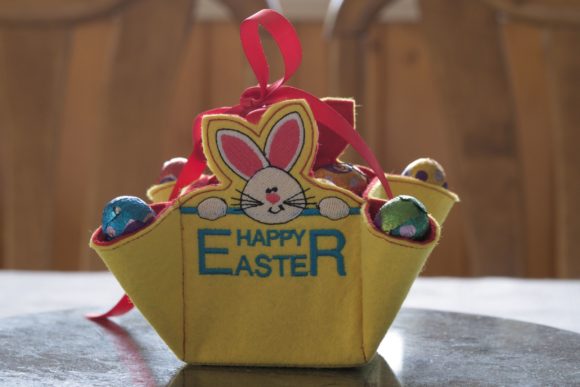
The first thing that strikes you about this design is its intended construction method. It is created mainly in the hoop, which immediately signals a specific workflow. This is not just a flat graphic stitched onto a shirt; it is a structural project. The description notes that it is made with craft felt, which is a crucial detail for any serious crafter. Felt does not fray, making it the ideal candidate for in-the-hoop projects where raw edges might otherwise be exposed or require tedious finishing. For an Etsy seller or small shop product creator, this means consistency. You are not relying on perfect hemming skills; you are relying on the precision of your machine and the stability of the material.
Visual Appeal and Market Fit
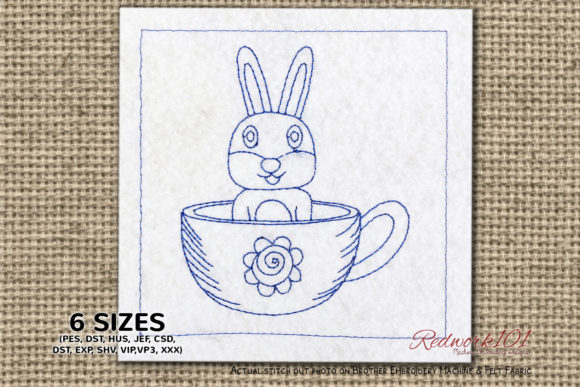
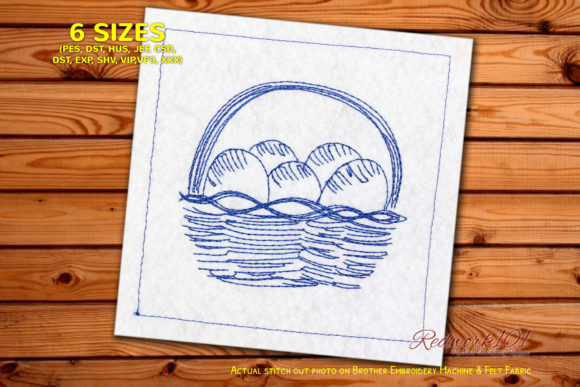
Visually, the Easter Bunny Basket leans into a soft, approachable aesthetic. It is not overly detailed, which is actually a strength here. In the world of holiday embroidery, especially for spring, customers often prefer clean lines and recognizable shapes over photorealistic complexity. This design fits naturally into the category of handmade gifts that feel personal but professional. Imagine this stitched onto a linen tote bag for a local farmers' market run, or as part of a nursery decor set. The "cute" factor is high, but it avoids being childish to the point of limiting its audience. It works for baby items, but it also works for general home decor.
For those running a craft business, visual clarity is money. If a customer sees your product in a thumbnail on social media, they need to understand what it is instantly. This basket design has a strong silhouette. Whether you are creating a personalized gift for a grandchild or stocking up inventory for a spring craft fair, the recognizability of the bunny motif combined with the functional basket shape creates immediate emotional engagement. It suggests warmth, tradition, and handmade care.
Real-World Application Scenarios
Let’s move beyond theory and talk about where this design actually lives in a production environment. Because it is an in-the-hoop design using felt, it is inherently three-dimensional. This opens up several interesting avenues for commercial embroidery projects.
- Easter Baskets and Treat Holders: The most obvious use. You can stitch multiple units to create a set of small baskets for egg hunts. These sell well as boutique items because they are reusable, unlike plastic alternatives.
- Ornaments and Decor: Scale matters. If the design allows for smaller hoop sizes, these make excellent hanging ornaments for spring wreaths or mobile decorations for a child’s room.
- Gift Tags and Accents: Even if you do not use the full basket function, the bunny element can be adapted. Consider stitching the design on a stiff felt backing, cutting it out, and using it as a premium gift tag for your other handmade products.
- Applique Elements: While this is primarily an in-the-hoop project, the techniques used here—layering felt and securing with stitching—are foundational for applique design work on apparel. You could isolate the bunny face or basket weave pattern for use on sweatshirt embroidery or tote bag design projects where a 3D element is too bulky.
Technical Considerations for Designers
Now, let’s get into the nitty-gritty. The description mentions that the design comes with multiple embroidery file formats. This is standard and necessary, but it places the responsibility on you, the user, to select the correct format for your machine. Do not assume compatibility. Always check the specific extension required by your brand of machine before purchasing or starting a batch run.
Since this project relies on craft felt, stitch density is less of a concern than it would be on lightweight cotton. Felt can handle dense stitching without puckering excessively. However, you must still pay attention to the stabilizer. Even though felt is stable, the tension from the in-the-hoop folding process can distort the final shape if the backing is too flimsy. I recommend using a medium-weight cut-away stabilizer to ensure the basket holds its structure after removal from the hoop.
One critical area to watch is the corner work. In-the-hoop designs often require precise folding and sometimes manual intervention between color stops. If the design has tight corners in the basket weave or the bunny ears, ensure your needle is sharp and your thread quality is high. Cheap thread will break during the high-stress moments of folding and restitching. Use a polyester thread for durability, especially if the finished item will be handled frequently by children.
Fabric and Color Strategy
The choice of felt color dramatically changes the vibe of the Easter Bunny Basket. Traditional pastels—pink, baby blue, mint green—scream spring and Easter. However, do not overlook neutral tones. A cream or light gray felt basket with contrasting thread colors can look sophisticated and modern, appealing to a different demographic of buyers who prefer minimalist decor.
If you are planning to use this as part of a larger embroidery project, such as attaching the basket to a pillow cover or kitchen towel, consider the texture contrast. The smoothness of the felt against the weave of the linen or cotton adds tactile interest. This is a key selling point for handmade goods. Customers buy with their eyes, but they return with their hands. The feel of the finished product contributes significantly to perceived value.
Commercial Use and Licensing
For my fellow digital product sellers and apparel decorators, a word of caution: always verify the license terms. Just because a design is easy to make does not mean it is free to use for unlimited commercial sales. Some designers allow physical sales of finished items but restrict the sale of the digital files themselves. Others may have limits on the number of units you can produce. Since the provided description does not specify exact license terms, you must check the seller’s policy before listing these baskets on your Etsy shop or at a local market. Protect your business by ensuring you are compliant.
Additionally, when marketing these items, use high-quality printable mockup images or real photos that show the scale. A common mistake in online listings is poor perspective, where a small ornament looks like a large tote. Be transparent about the size. If the design is optimized for a 4x4 hoop, state that clearly. If it requires a 5x7, make sure your customers know. Transparency builds trust, and trust drives repeat business.
Final Verdict
The Easter Bunny Basket is a solid addition to a spring-themed design library. It is not revolutionary, but it is reliable. Its strength lies in its simplicity and the forgiving nature of the felt medium. For beginners, it offers a manageable entry into in-the-hoop projects. For experienced designers, it provides a quick, profitable product for seasonal sales.
Before you commit to a large production run, test the design on scrap fabric. Check the thread color contrast. Inspect the small details after stitching. Does the bunny look friendly? Is the basket shape symmetrical? These small quality control steps separate amateur hobbies from professional craft businesses. If the test stitch looks good, this design is ready to help you fill your shop with charming, handmade spring treasures.